Next Level Solar
100% renewable energy is already a reality
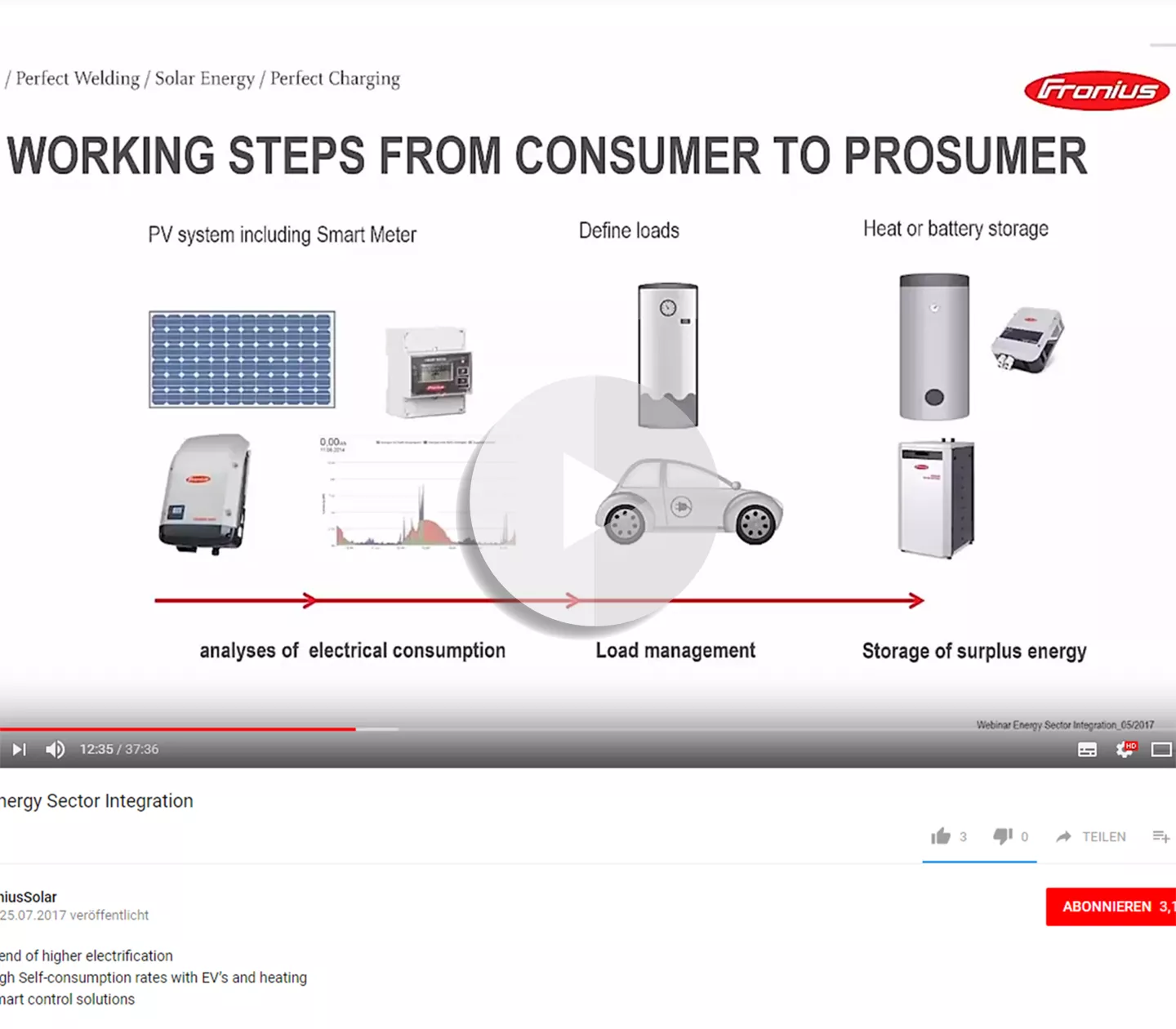
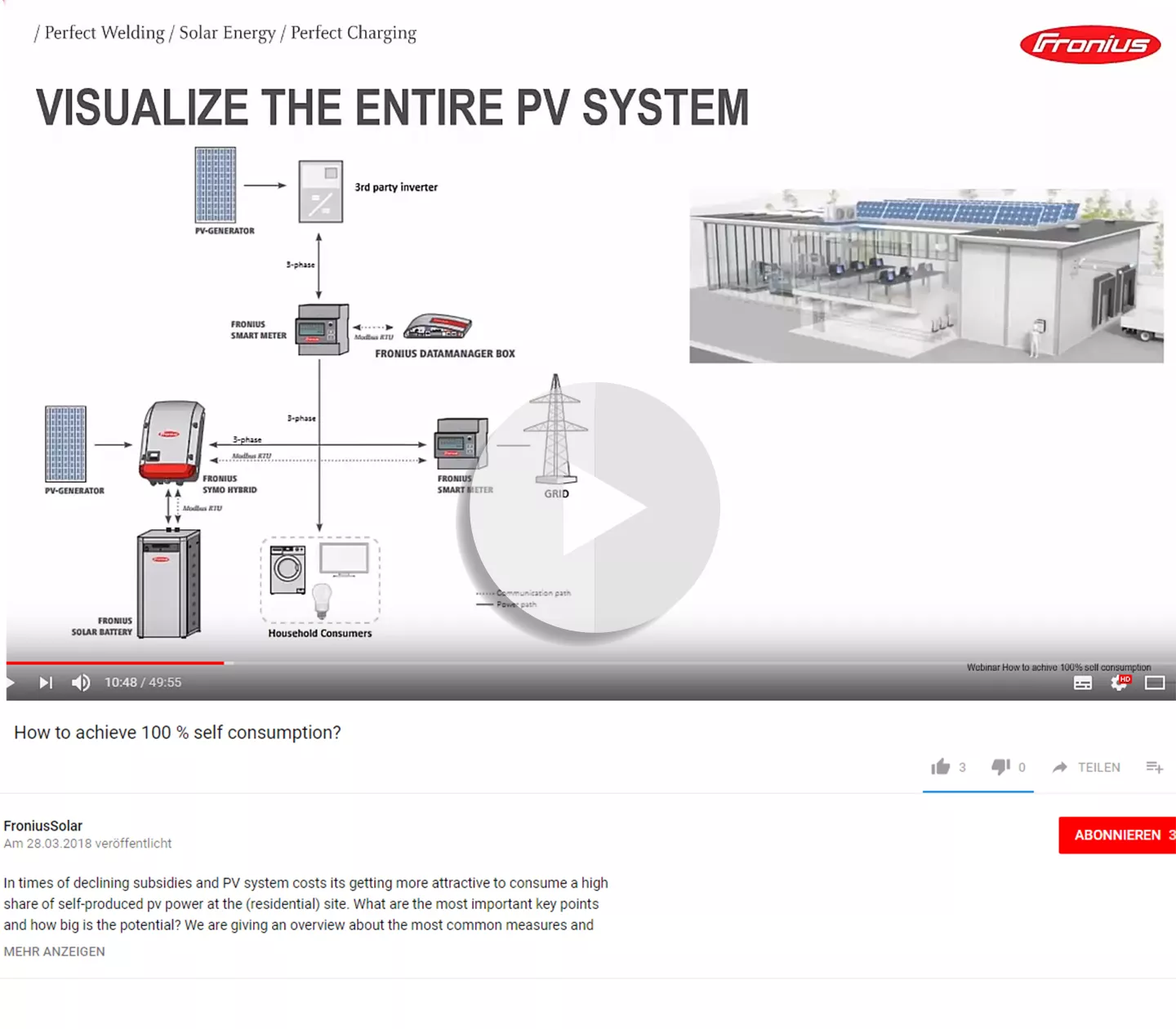
The energy revolution means one thing above all: replacing coal, oil and gas with renewable energy. However, it’s not just a question of generating electricity in a renewable manner – although this is, of course, an important element. At the same time, all fossil fuels that are currently used in mobility, industry and private homes need to be replaced by electricity, which, in turn, also needs to be generated by renewable means. This linking of our energy systems – known as integrated energy – is the key to making Fronius’ 24 hours of sun vision a reality.

Replacing fossil fuels with renewable alternatives requires huge change. There is set to be enormous demand for renewable electricity, and we can expect there to be massive expansion in the renewable energy sector in the coming decades, particularly for wind and solar energy. At the same time, a switch in energy usage towards the electrification of mobility, heat generation and industry is also required.

A new age for mobility
In the area of mobility, the switch from combustion engines to electric drives is already in full swing. Prices of electric vehicles are falling rapidly and increasing numbers of drivers are taking an interest or even buying them. For the first time, property owners are also now able to take charge of decarbonising their own personal mobility: with sufficient photovoltaics on the roof and an intelligent charging infrastructure in their garage, many are now able to use electricity for most of their daily transport needs.
Hot water as an energy storage medium
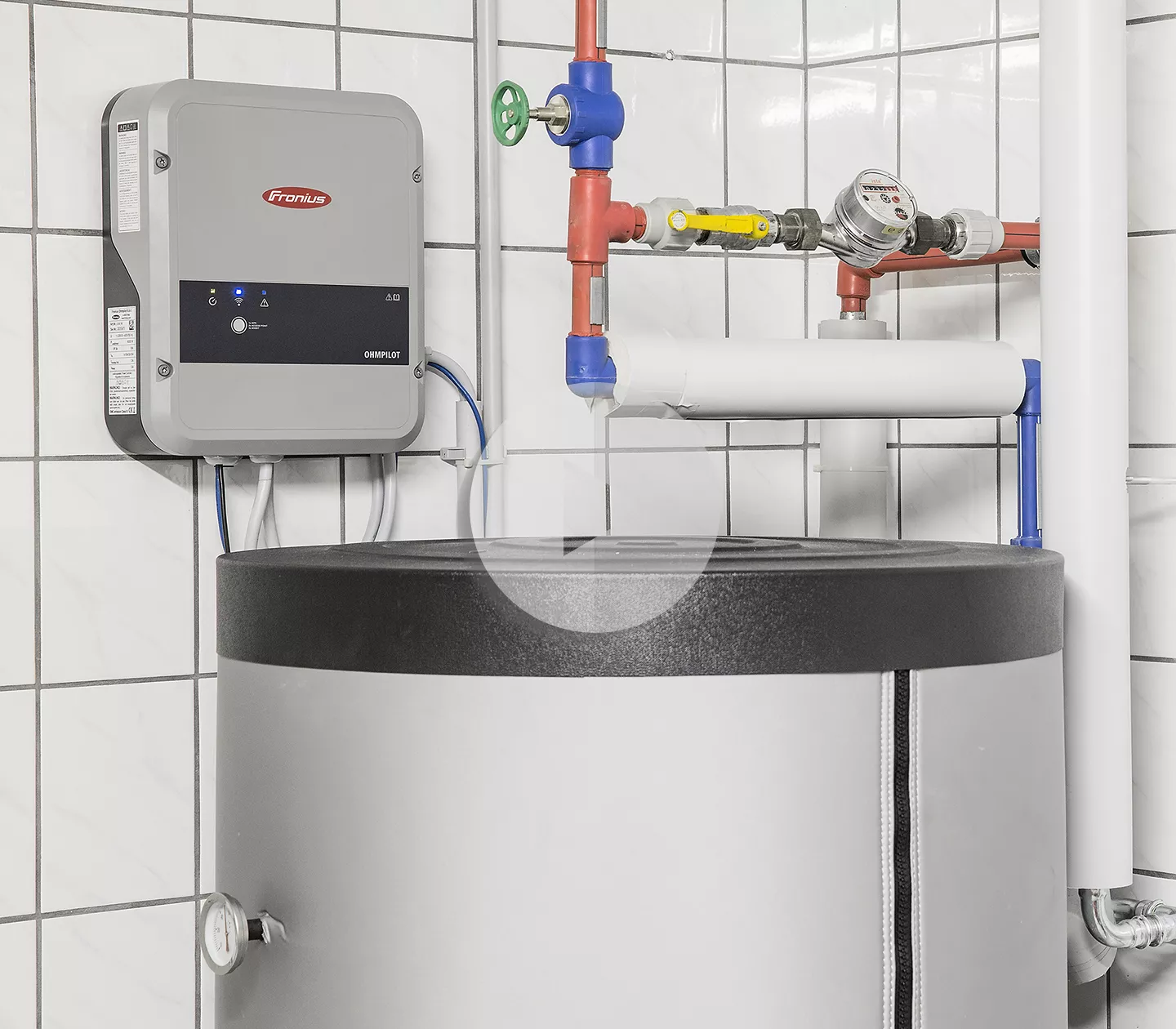
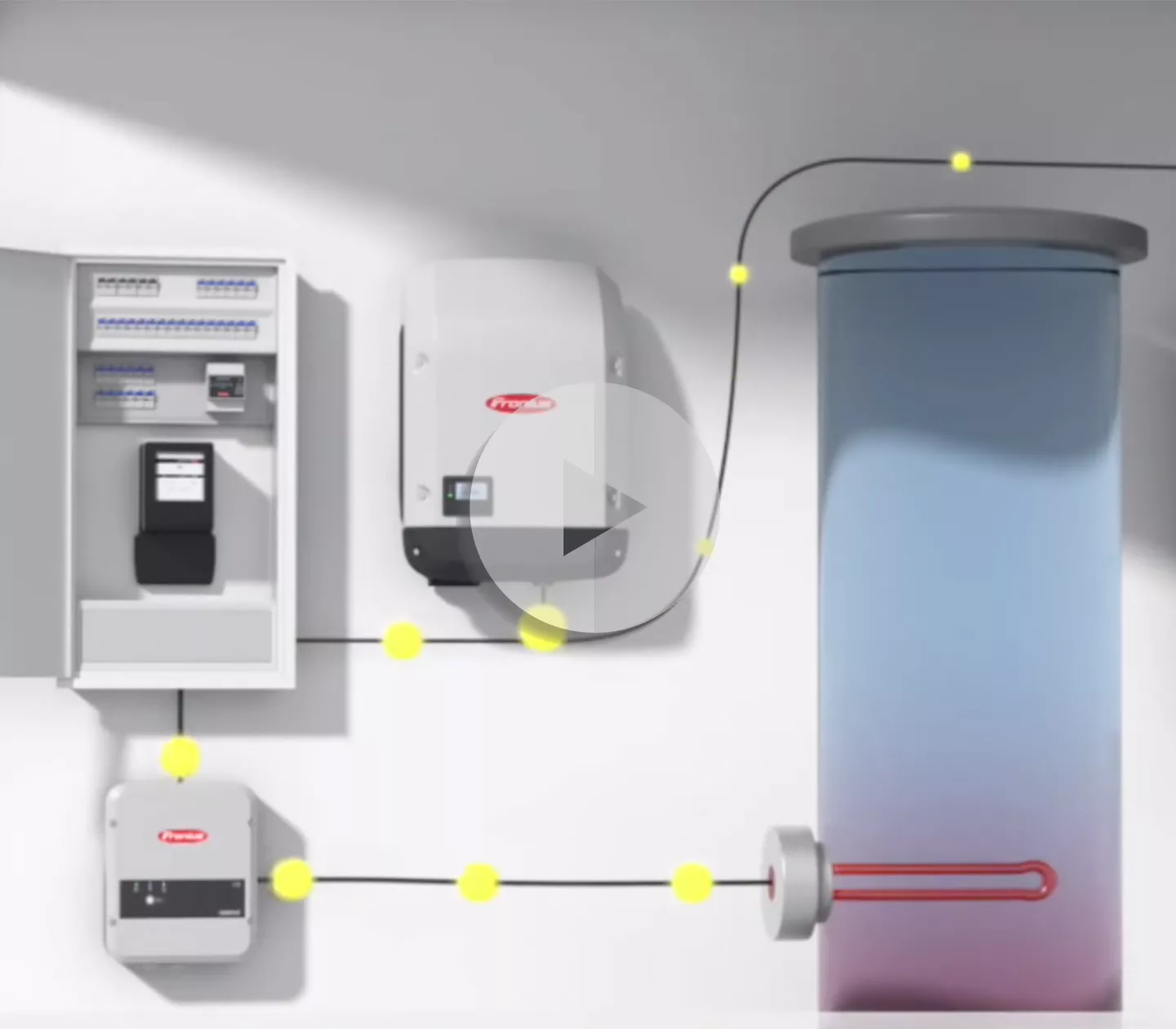
There are even more appealing opportunities in heat generation. Here, the Fronius Ohmpilot, for example, enables excess energy from PV systems to be used to produce warm water, or operate heating panel and other ohmic consumers. This means the sun is your heating system and also puts decarbonisation into the hands of the homeowner. On top of this, PV heat is financially beneficial. In countries with low feed-in tariffs, this is solely based on the savings made on energy costs, with investments often paying for themselves after just three to four years. There is also a general cost benefit in that the use of PV heat prolongs the service life of conventional heating systems. This is simply because heating systems that use PV heat don’t need to start up as much, if at all, between spring and autumn so they are subject to less wear. Depending on the specific situation, this can help prolong the service life of the heating system by 20 to 30 per cent; in the best case, in a low-energy house for example, it might even be possible to double the service life. All this saves thousands of euros in the process.